What comes after GLP-1s?
Five next-generation weight-loss medications that are on the horizon — or already here.
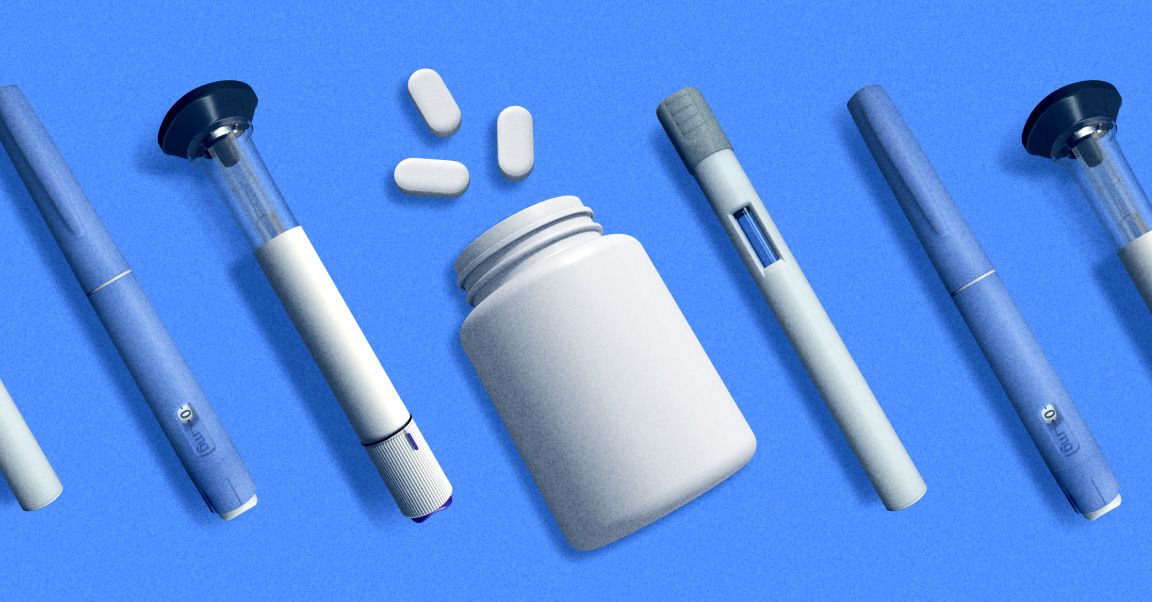
When GLP-1s first started getting FDA-approval for weight loss in 2014, they were considered a medical breakthrough. These medications — semaglutide (Wegovy), tirzepatide (Zepbound), and liraglutide (Saxenda) — transformed how the medical community views and treats obesity and overweight.
But that was then — this is now. In 2026 alone, the FDA may approve several new weight-loss medications, with even more options seemingly in the pipeline. “The number of medications available to treat obesity has expanded rapidly,” says Dr. Ivania Rizo, M.D., DABOM, spokesperson for The Obesity Society and director of obesity medicine at Boston Medical Center. “The growth is exciting because it provides more options to tailor treatment to an individual’s health needs.”
We talked to obesity medicine experts about what new medications they’re excited about — and what all this innovation means for the future of weight care.
Wegovy HD
Prescribed for weight loss under the brand name Wegovy, semaglutide had been available in various injectable doses, maxing out at 2.4 mg, and an oral option that was approved in late 2025. However, the FDA recently approved the injectable Wegovy HD, manufactured by Novo Nordisk, that has a 7.2 mg dose — three times higher. “It’s a huge jump in dose,” says Dr. Matthew Poplin, M.D., DABOM, senior clinician lead at Weight Watchers Clinic.
People in the clinical trial for Wegovy HD weighed an average of 249 pounds at start and lost an average of 19% of their body weight after 72 weeks compared to 16% with the 2.4 mg dose. But Poplin notes that this higher weight loss comes with an important caveat: “The incidence of gastrointestinal side effects are also higher,” he points out. While all GLP-1s come with the risk of GI side effects like nausea, vomiting, diarrhea, and/or constipation, these can become more common the higher your dose. One group this new medication can help: those who are already taking a GLP-1 and not seeing the desired results.
Foundayo® (orforglipron)
There had been just one oral GLP-1 option for weight loss — the Wegovy pill — but the FDA just approved a second one in April 2026: Foundayo (orforglipron), manufactured by Eli Lilly and Company. It works similarly to semaglutide and other GLP-1s, reducing how much you eat by slowing down gastric emptying and targeting appetite receptors in your brain.
Like oral semaglutide, orforglipron is a once-daily pill. What’s different is that you can take it at any time of day, with or without food. (Oral semaglutide must be taken in the morning on an empty stomach.) “Traditional oral GLP-1s, such as oral semaglutide, are broken down quickly in the stomach. What sets orforglipron apart is that it’s a small-molecule, nonpeptide medication making it easier to take and more convenient,” says Poplin. Research on orforglipron found that over 72 weeks, people with obesity lost between 7.5% and 11.2% of their body weight, depending on the dose.
Retatrutide
Retatrutide is an investigational weight-loss medication. It is a triple receptor agonist, meaning it targets three appetite-regulating hormones in the body: GLP-1 (glucagon-like peptide-1), GIP (glucose-dependent insulinotropic polypeptide), and glucagon. “These hormones play important roles in how the body controls hunger, blood sugar, and energy use,” says Rizo.
To put this in perspective, semaglutide only targets GLP-1. Tirzepatide (the active ingredient in the weight-loss medication Zepbound) targets GLP-1 plus GIP. So, if approved, this medication targeting three hormones — GLP-1, GIP, and glucagon — would be new. “Glucagon promotes fat breakdown and improves liver fat metabolism,” Rizo explains. This helps the body burn calories and fat. Glucagon can raise blood sugar, but this effect is countered by the GLP-1, which helps regulate blood sugar.
It’s not FDA-approved yet, but researchers have already dubbed retatrutide groundbreaking. An early phase 2 trial found the medication causes weight loss of 24% of body weight at the 8 mg or 12 mg dose after 48 weeks. “While these results are very promising, retatrutide is still being studied and is not yet approved for clinical use,” says Rizo. It’s worth noting that if you are interested in seeing if you qualify for this medication, the safest option is to wait until the FDA has approved it. Retatrutide, manufactured by Eli Lilly, is currently in phase 3 trials, the step before the manufacturer can seek FDA approval, so it may be approved this year or next.
Cagrilintide-semaglutide
Called CagriSema, this investigational weight-loss drug by Novo Nordisk combines semaglutide and cagrilintide. Cagrilintide is a peptide that mimics the hormone amylin, which is released alongside insulin when you eat. Known as a “combination GLP-1,” it decreases appetite, regulates blood sugar, and slows stomach emptying. “Amylin works in complementary pathways with semaglutide, particularly in the brain,” says Poplin.
Because these two medications have a similar impact on the body, combining them may boost their weight-loss potential. And trials found that CagriSema leads to an average 20.4% weight loss after 68 weeks compared to 3% for the placebo group, and half of the people in the trial who had obesity at the start of the trial had BMIs less than 30 (the cutoff for obesity classification) by the end of it. CagriSema is currently in phase 3 trials, and the FDA could review its application for approval this year.
Bimagrumab
This investigational medication by Eli Lilly works by targeting activin type II receptors, which reduce fat while increasing muscle. This directly addresses a common problem with weight-loss medications, says endocrinologist Dr. Ken Fujioka, M.D., director of the Nutrition and Metabolic Research Centers at Scripps Clinic in San Diego. “If you lose 40 pounds, for example — which is really common with these new drugs — you lose about 10 pounds of bone and muscle and 30 pounds of fat,” he explains. The loss of lean mass can raise your risk for bone issues in the future and predispose you to regaining weight, since muscle is metabolically active tissue that burns calories.
Newer drugs like bimagrumab aim to fix that issue. “The hope is that they will produce massive weight loss — and it will be the weight loss you want,” says Fujioka. In other words: You’ll lose fat, not bone or muscle. And in early studies, this medication has been found to reduce total body fat and visceral and liver fat while increasing lean mass and lowering A1c levels (a measurement of blood sugar over time). Research is still ongoing, with this medication currently in phase 2 trials. (Phase 2 trials are given to groups of 100 to 300 people to determine its safety and efficacy. Drugs may be approved by the FDA after phase 3 trials and the timing of those depends on how phase 2 goes, so it may be years before this drug is available.)
The bottom line
There are many new weight-loss medications working their way through clinical trials and FDA approvals — something many experts see as an overwhelmingly positive thing. “As treatment options continue to grow, clinicians can increasingly match medications to a person’s specific health profile and goals,” says Rizo. “Ultimately, the goal of obesity treatment is not only weight loss itself, but improving health outcomes, such as diabetes control, cardiovascular health, liver disease, sleep apnea, osteoarthritis, and quality of life.” With more of these options, you’ll be able to get the treatments and the outcomes you’re looking for. And remember: There’s no need to wait for the next generation of meds to start your weight-loss journey. By joining Weight Watchers Med+, you’ll have access to Clinicians who can talk you through your available options and, if you qualify, prescribe medication and a lifestyle plan tailored to your body and your goals.