Is retatrutide the next big weight-loss medication?
It’s getting a lot of attention for its impressive weight-loss results, but the medication isn’t even FDA approved yet. Here’s what you need to know about it.
In this article:
When the first weight loss GLP-1s hit the scene — liraglutide and semaglutide — they mimicked a single hormone (glucagon-like peptide-1). Then came tirzepatide, which mimicked two (GLP-1 plus glucose-dependent insulinotropic polypeptide, or GIP). And now, everyone’s talking about a possible coming medication that mimics three hormones (GLP-1, GIP, and glucagon): retatrutide. Here’s what that third hormone really does, what it means for weight loss, and when this medication could become approved by the FDA.
What is retatrutide?
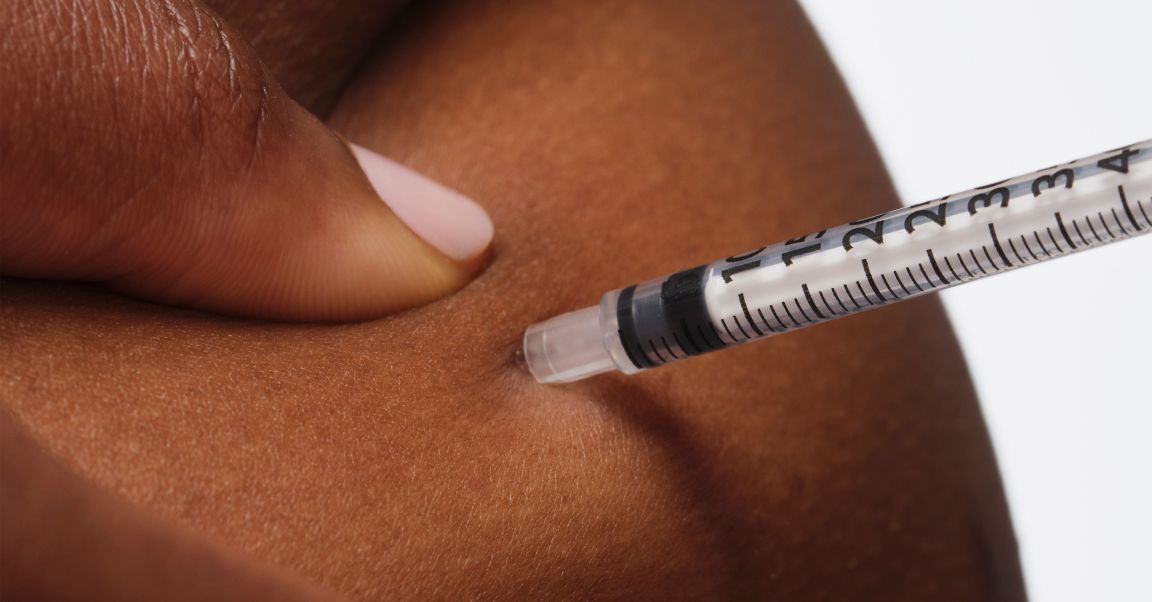
Retatrutide is an investigational once-weekly injectable drug designed to treat type 2 diabetes and obesity, made by the drug company Eli Lilly. Investigational means that it’s still in the research phase and is not approved by the U.S. Food & Drug Administration (FDA) yet. The medication is a triple-agonist drug, meaning it mimics three appetite hormones: GLP-1, GIP, and glucagon. This makes it different from semaglutide (which mimics GLP-1) and tirzepatide (which mimics GLP-1 and GIP).
How is retatrutide intended to work?
Retatrutide is intended to work on weight and blood sugar by mimicking three hormones in the body:
Glucagon-like peptide-1 (GLP-1), a hormone that stimulates insulin release, targets appetite receptors in the brain, and keeps you fuller for longer.
Glucose-dependent insulinotropic polypeptide (GIP), which reduces appetite and triggers the pancreas to release insulin. GIP can help boost the effects of GLP-1.
Glucagon, which slows down gastric emptying and helps break down fat (including in the liver).
“Body weight is influenced by numerous factors, but two major parts of the picture are the body’s ability to balance blood sugar and insulin levels, as well as balance energy — a.k.a., calories in versus out,” explains Dr. Allison Rhodes, M.D., a dual board-certified physician in internal medicine and obesity medicine with The Ohio State University Wexner Medical Center’s Comprehensive Weight Management Program.
With retatrutide, early trials show appetite suppression, insulin sensitivity, and blood sugar management of a GLP-1 and GIP, plus glucagon to increase calorie burn and fat oxidation. “The result is a medication that helps people consume less and burn more energy while also balancing blood sugar and supporting breakdown of fat, which is why it has shown greater weight loss in early studies,” says Rhodes.
How much weight did participants lose in retatrutide clinical trials?
Early clinical research data indicate that people lost 28.7% of their body weight after 68 weeks on the highest dose, compared to 2% on placebo. This is much higher than current FDA-approved weight-loss medications. “Since it looks like average weight loss is 25% or more, it’s right in line with sleeve gastrectomy,” says Dr. Caroline M. Apovian, M.D., DABOM, co-director of the Center for Weight Management and Wellness at Brigham and Women’s Hospital and faculty member at Harvard Medical School. Sleeve gastrectomy is a weight-loss surgery appropriate for people with higher BMIs — over 40 or 35 with comorbid conditions.
Because of its impact on weight, retatrutide may become an option for adults with bodies with higher BMIs who may not have considered an injectable medication before, says Apovian. Certain bariatric surgeries might be better suited for these individuals, she says, but retatrutide could be part of the conversation.
When will retatrutide be available?
Right now, retatrutide is in clinical trials (there are seven trials currently in progress). But it’s reached phase 3 trials for the treatment of type 2 diabetes and obesity. (Phase 3 establishes efficacy and safety and is the last stop before a company would seek FDA approval for the drug.) It’s hard to know for certain, but “if all goes well, retatrutide may be available as early as 2027,” says Rhodes.
Clinical trials are also looking into whether the drug has benefits for knee osteoarthritis pain, moderate-to-severe obstructive sleep apnea, and chronic low back pain, Rhodes says.
Retatrutide dosage and side effects
Right now, there is not an appropriate dosage for retatrutide because it is not FDA-approved for prescription use. However, clinical trials used different dosages depending on what retatrutide is treating. For example:
To treat adults with obesity or overweight and knee osteoarthritis, participants received a 9 mg or 12 mg injection once per week. (They started at 2 mg and slowly increased the dose.)
To treat adults with type 2 diabetes, people received 4 mg, 9 mg, or 12 mg, depending on their needs.
As for side effects, one function of clinical trials is to determine the safety of the drug, including uncovering side effects. Like semaglutide or tirzepatide, side effects reported with retatrutide have been mostly GI in nature and most likely to occur after starting or increasing the dose. They include:
Nausea
Diarrhea
Vomiting
Constipation
Decreased appetite
Dysesthesia (abnormal sensations of the skin, such as burning, tingling, itching, pain, crawling, etc.)
Since clinical trials are ongoing, knowledge of retatrutide’s side effects may change.
Alternatives to retatrutide
While retatrutide is still in trials, there are other medications already approved by the FDA for treating both type 2 diabetes and obesity/overweight.
For type 2 diabetes, your options include:
DPP-4 inhibitors
GLP-1 receptor agonists (Ozempic, Trulicity, Victoza)
GLP-1/GIP receptor agonists (Mounjaro)
SGLT2 inhibitors
Thiazolidinediones
And prescription weight-loss medications that are currently available include:
Orforglipron, an oral small-molecule non-peptide GLP-1 receptor agonist (Foundayo)
GLP-1/GIP receptor agonists (Zepbound)
Phentermine-topiramate (Qsymia)
Bupropion-naltrexone (Contrave)
Your clinician, like those through Weight Watchers Med+, can go over your available options and, if you qualify, prescribe medication and a lifestyle plan designed for your body and your goals.*
Retatrutide warnings and precautions
Despite the fact that retatrutide is not an approved medication, there is active marketing for medications being characterized as “retatrutide.” “Because retatrutide is still investigational, there is no regulated manufacturing or supply chain, meaning you cannot be sure what you are actually receiving and putting in your body,” says Rhodes. “It is likely a different substance altogether, but even if it is a close mimic, the substance could be contaminated, impure, or of an unknown strength.” Apovian echoes this: “Phase 3 trials aren’t even finished yet — you’re really taking your life into your own hands. We have to wait until safety is shown.”
The bottom line
Retatrutide is an investigational once-weekly injectable medication that may be able to treat type 2 diabetes and obesity. Currently, the medication is being tested in phase 3 trials, and FDA approval may come as early as 2027. It is a triple agonist, meaning that it mimics three different hormones — GLP-1, GIP, and glucagon — to reduce appetite, manage blood sugar, and increase metabolism and fat breakdown in the body. Because it hits three targets, data shows that it may be even more effective for weight loss than semaglutide or tirzepatide, leading to almost a 28% reduction in body weight after 68 weeks. Although retatrutide is not yet FDA-approved, you can talk with a clinician at Weight Watchers Med+ about all of the safe, effective options available to you now.